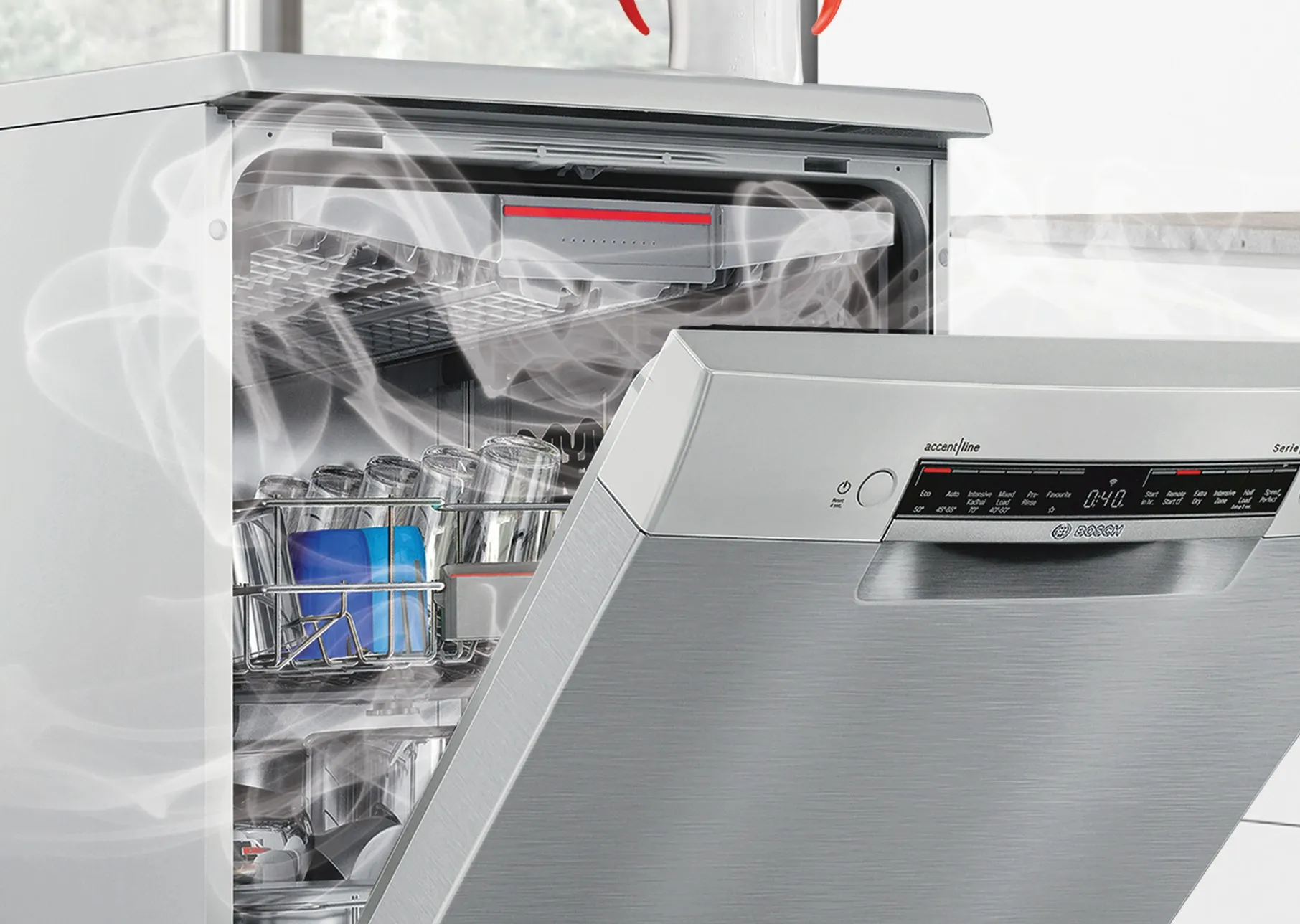
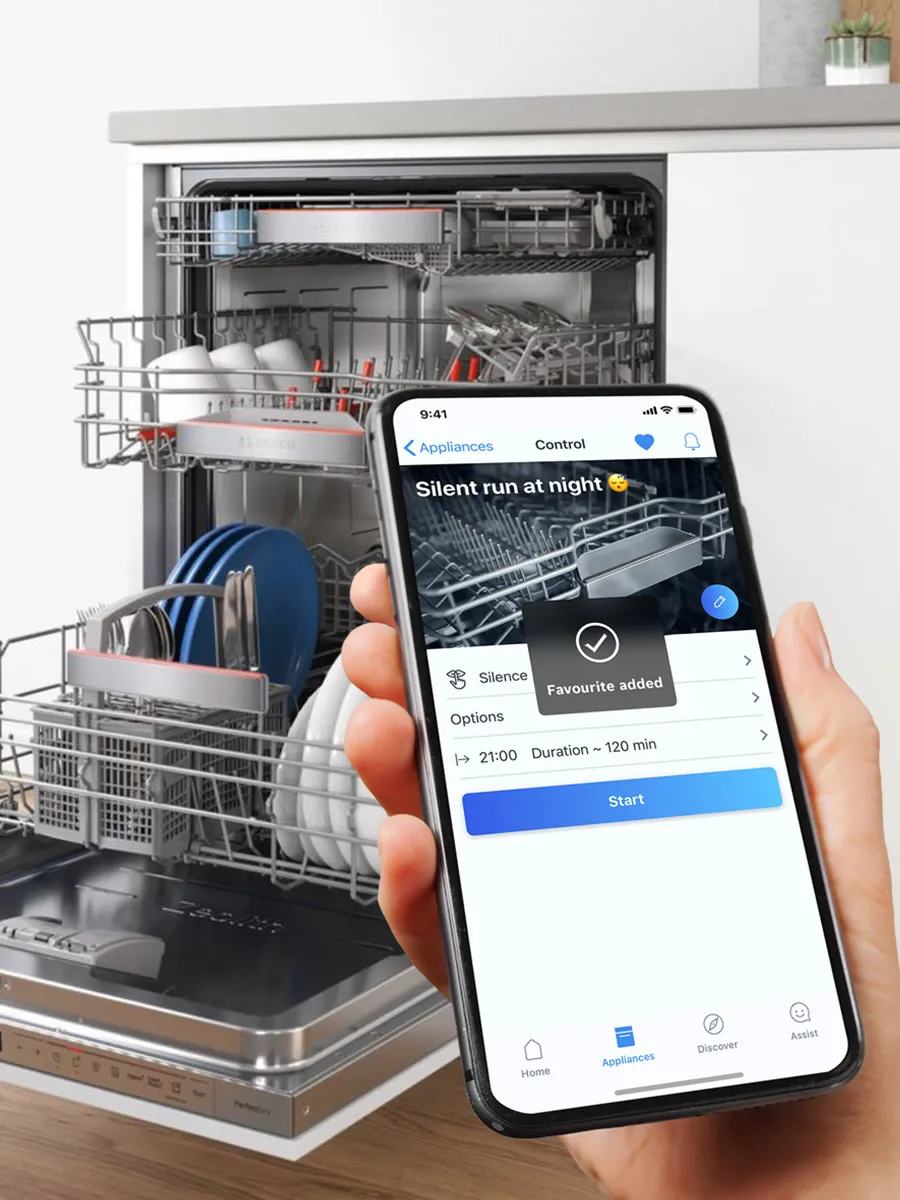
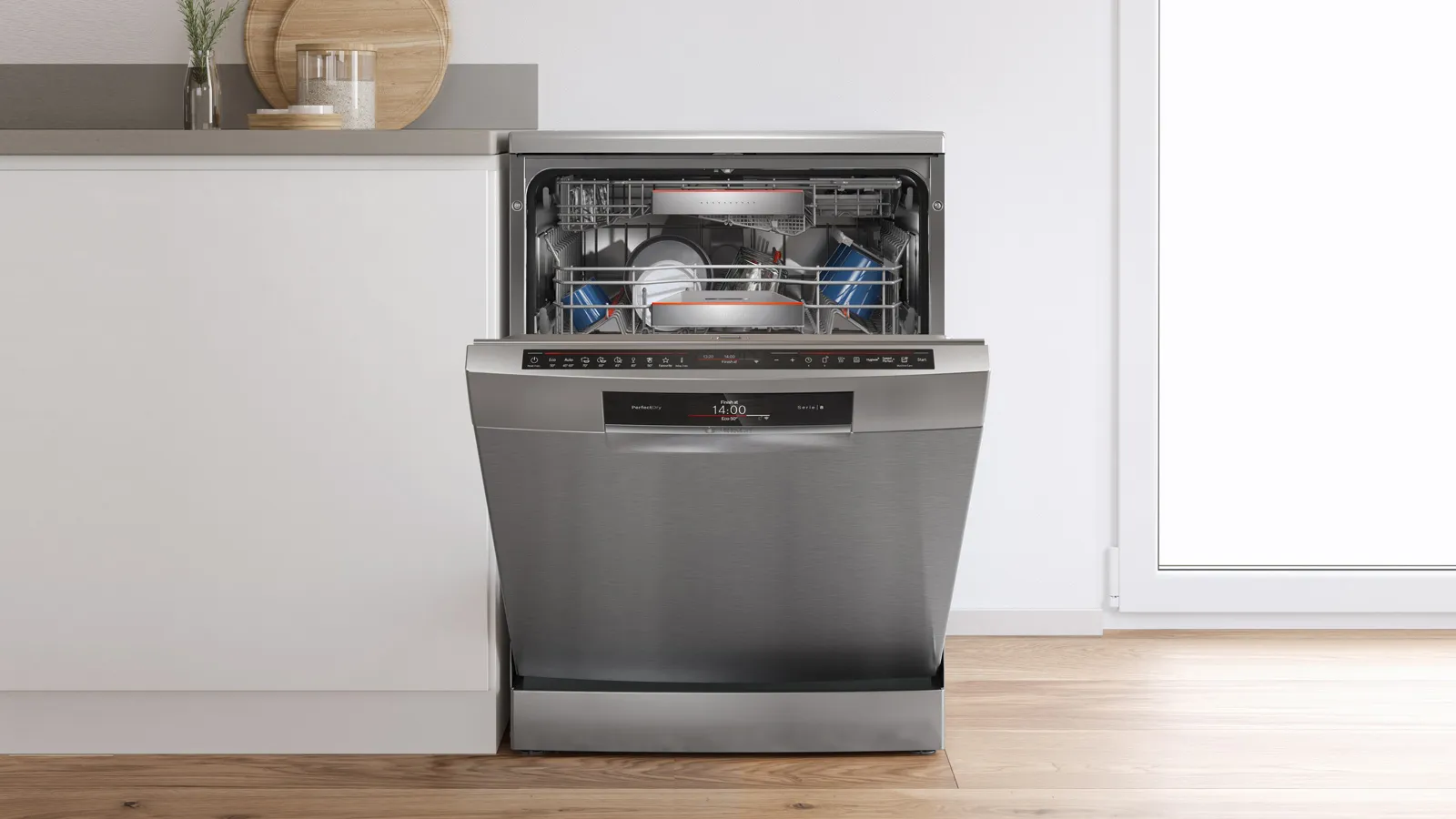
Yes, you can install a Bosch dishwasher yourself if you have some basic plumbing and electrical skills. However, there are a few important considerations to keep in mind:
1. Read the Manual: The first step is to thoroughly read the installation manual that comes with your Bosch dishwasher. This will provide detailed instructions specific to your model.
2. Tools and Materials: Ensure you have the necessary tools and materials. Common tools include a screwdriver, adjustable wrench, pliers, and a level. You may also need plumbing supplies like a dishwasher connector kit, Teflon tape, and possibly an electrical cord kit if one is not included.
3. Electrical Requirements: Bosch dishwashers typically require a 120V grounded outlet. Make sure the electrical connection meets the specifications outlined in the manual. If you're not comfortable working with electrical wiring, it’s best to hire a professional electrician.
4. Water Supply: You'll need to connect the dishwasher to your home's hot water supply. Ensure the water supply line is correctly installed to avoid leaks. Use Teflon tape on the threads of the water inlet to ensure a secure connection.
5. Drainage: Properly connect the dishwasher drain hose to your home's drainage system. This is crucial to prevent leaks and ensure proper drainage. Depending on your setup, you might need an air gap or a high loop to prevent backflow.
6. Leveling: Ensuring the dishwasher is level is important for proper operation. Use a level to check and adjust the feet of the dishwasher as needed.
7. Testing: After installation, run a test cycle to check for any leaks or issues. Make sure the dishwasher fills, washes, drains, and dries as expected.
While installing a Bosch dishwasher yourself can save you money, it requires attention to detail and adherence to the instructions. If at any point you feel unsure or encounter difficulties, it’s advisable to hire a professional installer to ensure the dishwasher is installed correctly and safely.